
Sprinkler & Secondary Water Line Leaks in Utah County
A sprinkler line, valve box or secondary water connection is leaking and water is getting into the basement. Describe it once, and independent restoration companies across Utah County can contact you with free quotes.
Get a Free Quote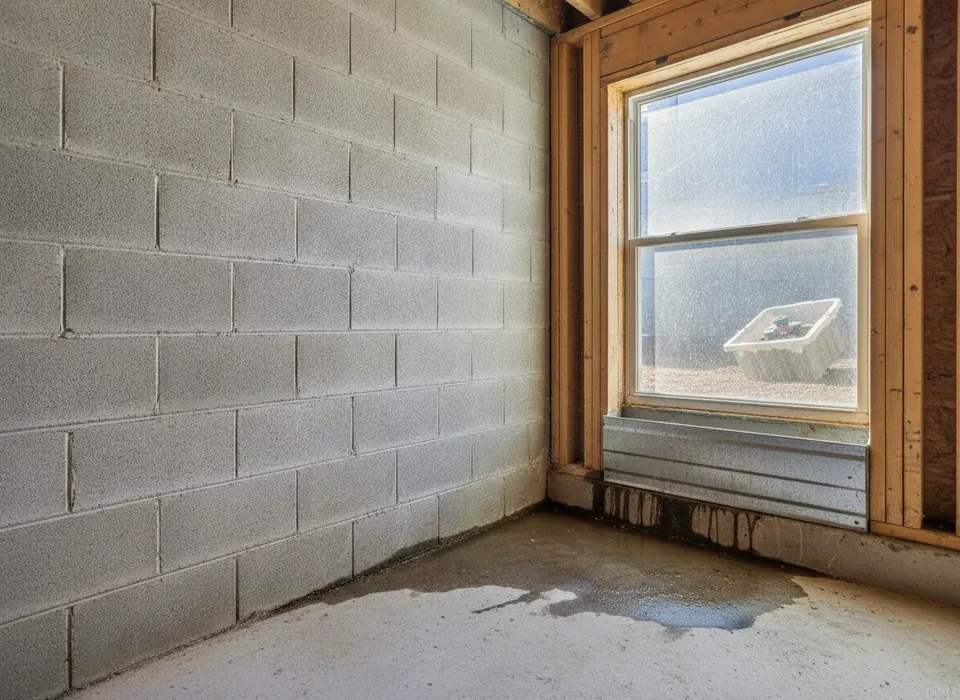
Stop the irrigation water first
- Secondary water (pressurized irrigation): close your PI valve, usually in a valve box near the street or the edge of the lawn. In many cities the city's side ends at the stop-and-waste valve or meter.
- Sprinklers on culinary water: close the irrigation shutoff, often in the basement near the main line, or close the main.
- Turn the sprinkler controller off so zones don't restart overnight.
- Note where water is coming in: along a window well, at a foundation crack, or near a pipe penetration.
- Photograph the wet soil outside and the water inside.
Never connect a hose or pipe between secondary water and your drinking water. Cross-connections are prohibited. Then send the form below or call (385) 346-0996.
How sprinkler leak water damage is typically handled
Outside repair and inside cleanup are separate jobs. A sprinkler or landscape contractor fixes the line; a restoration company dries the basement.
Isolate the line
The leaking zone, main line or PI service is shut off, and the controller is disabled until repairs are done.
Extract and assess
Water is removed from the basement, and readings show how far it wicked into walls and carpet. Water that came through soil is usually treated as dirty.
Remove and dry
Wet pad, baseboards and lower drywall along the foundation wall are often removed so the wall can dry.
Repair outside
The broken line, valve or backflow device is repaired. Grading and window well drains may need attention too.
Rebuild
Interior repairs are done by a DOPL-licensed contractor under a written contract.
Secondary water in Utah County: how it works
Many Utah County cities run a pressurized irrigation (PI) system, often called secondary water, that delivers untreated canal or reservoir water for lawns. Lindon, Saratoga Springs, Spanish Fork, Springville and others have one. Orem doesn't: its water conservation plans describe an all-culinary system, so in Orem, sprinkler leaks come off the treated culinary water line, and the irrigation shutoff and backflow preventer are usually on your side of the meter.
Spring charge and fall drain
PI systems are charged in spring and drained in fall. Lindon fills its system in mid-April with water arriving about May 1, and shuts canal water off about October 15. Saratoga Springs charges the week of April 15 and drains the week of October 15. Both cities tell residents to close their valves and drain their systems for winter. Lindon says this is to prevent spring flooding, and advises checking for broken pipes when the system comes back on.
Spring start-up is when many leaks appear. A line that froze over winter, a cracked fitting near the foundation, or a valve left open in an empty sprinkler system can send water straight into the soil beside a basement wall or window well.
Who's responsible
Lindon says the city maintains the system up to and including the stop-and-waste valve or meter, and the owner is responsible for leaks past it. Spanish Fork says it maintains up to the meter. Check your own city's rules before calling.
Backflow preventers
Sprinklers on culinary water need a backflow preventer, which usually sits above ground near the house. If it isn't drained in fall it can crack in the first hard freeze and spray against the foundation when the water comes on.
Bigger breaks
City irrigation mains can fail too. In July 2025, a roughly 24-inch irrigation main broke on 600 North in American Fork and reportedly put feet of water into a business's basement, according to local news. Pleasant Grove has seen canal breaks flood homes, and irrigation water reached basements there in 2013.
What sprinkler leak cleanup typically costs
Water that soaked through soil before reaching the basement is usually priced as gray or black water, and the foundation wall side of a finished basement often needs drywall removal.
| Item | Typical range | Source |
|---|---|---|
| Extraction per sq ft (clean / gray / black water) | $3.75–$4.25 / $4.10–$6.50 / $7–$7.50 | Fixr |
| Drying a 500 sq ft basement (before repairs) | $2,000–$7,000 | Fixr |
| Drywall after water damage | $1.50–$3/sq ft; typical wall repair $275–$485 | Fixr |
| Whole job, typical | $1,200–$5,000 (Fixr avg ≈ $3,000; Angi avg $3,868, most pay $1,383–$6,369) | Fixr Jan 2025; Angi 2026 |
Sprinkler line or backflow repair is billed separately. Use the cost calculator with the basement option for a planning figure.
Insurance and sprinkler leaks
This is a gray area. Insurers may treat water that came through the ground as seepage or surface water, which standard policies often exclude, while a sudden break of a pipe on your property may be covered. Results depend on the policy wording and the facts, so check your policy and ask your adjuster. If a city-owned main broke, ask the city how to file a claim, and keep photos and receipts.
Utah insurers generally must acknowledge a claim within 15 days and accept or deny it within 30 days of a complete proof of loss. If you disagree with how a claim is handled, the Utah Insurance Department takes complaints at insurance.utah.gov.
When it's an emergency
- Water is pouring through a window well or foundation crack and you can't find the PI or irrigation valve.
- A city main or canal broke and water is flowing toward your house. Call the city.
- Water is reaching the furnace, electrical panel or finished rooms.
- The yard is sinking or washing out near the foundation.
For window well drains and covers, see the window well flooding guide, and for the bigger picture, the flooded basement page.
Sprinkler and secondary water FAQ
Does Orem have secondary water?
Orem's water conservation plans describe an all-culinary system without secondary irrigation, so Orem lawns are watered with treated city water. Sprinkler leaks in Orem come off the culinary line. Neighboring cities such as Lindon and Saratoga Springs do run pressurized irrigation systems.
When is secondary water turned on and off?
It varies by city. Lindon fills its system in mid-April, with water about May 1, and stops canal water about October 15. Saratoga Springs charges the week of April 15 and drains the week of October 15. Check your city's website for exact dates each year.
Who pays if a secondary water line floods my basement?
In Lindon and Spanish Fork, the city maintains the system up to the stop-and-waste valve or meter, and the owner is responsible past it. If the break was on the city's side, contact the city. For your own damage, check your policy and ask your adjuster.
How do I winterize my sprinklers in Utah County?
Close the irrigation or PI valve, drain the lines using the drain valves or a blow-out by a sprinkler contractor, and drain the backflow preventer if you're on culinary water. Saratoga Springs says every system must be completely drained. Turn the controller off for the season.
Get free sprinkler leak cleanup quotes
Tell us where water is entering, which city you're in and whether the line is shut off. Independent Utah County companies reply to you directly.
Water where it shouldn't be? Get free quotes.
Tell us what happened and independent Utah Valley restoration companies can reply with no-obligation quotes.