
Water Damage Restoration in Provo, UT
Provo has the oldest housing in Utah Valley and more renters than owners. If a pipe let go in a 1970s rambler or groundwater is creeping through a basement wall near the river, describe the problem once and independent, locally licensed restoration companies can reply with free quotes.
Get a Free Quote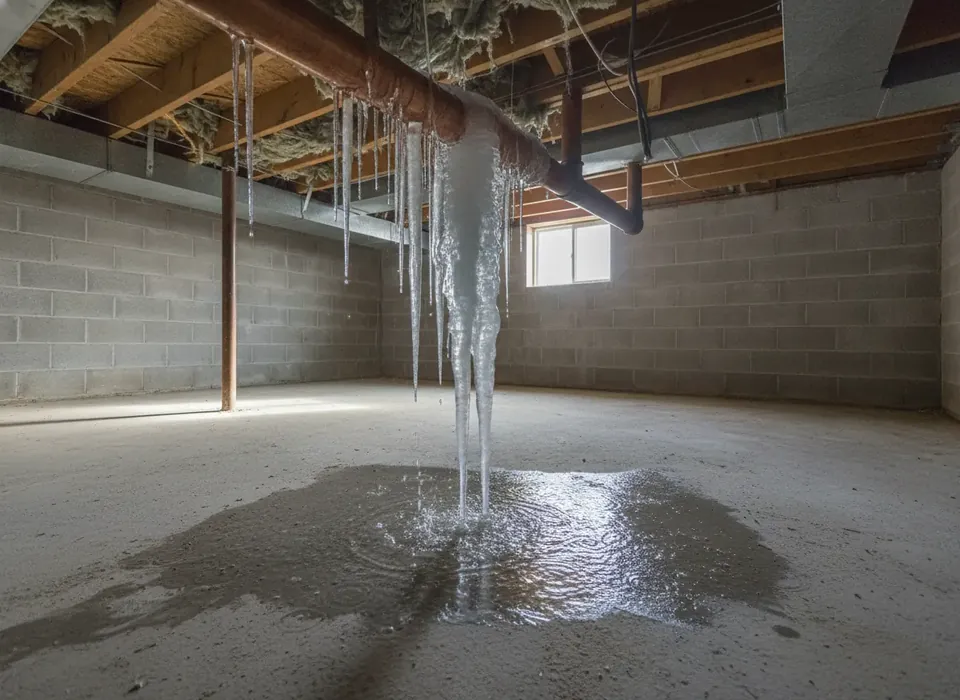
Water damage in Provo starts with the age of the house
Census estimates put Provo at 114,527 people in 2025, about the same as in 2020. What sets it apart is the housing. The median Provo home was built in 1983. Nearly half, 46 percent, went up before 1980, and 29 percent are older than 1970. That is older than Orem, 4.6 miles north, and much older than the newer cities around the lake.
Older homes bring older supply lines, water heaters that may be on their second or third replacement, and basements finished long before modern window wells and drain tile. When water damage happens in Provo, it is often an old pipe, an old drain or an old foundation that finally gave way.
Shut off the main first. Then photograph everything before anything is moved.
Renters, landlords and BYU housing
Only 39.4 percent of Provo homes are owner-occupied, according to the Census. With BYU's 30,000-plus students in town, many Provo homes with water damage are rentals, and the person who finds the leak is often not the person who owns the building.
- Tenants: tell the landlord or property manager in writing, with photos and the time you found it. Move your own things out of the water.
- Landlords: the building is usually your claim and your decision. Line up a company quickly, because wet drywall in a rental can turn into a mold problem and a habitability dispute.
- Both: keep a written record of who was told what and when.
Asbestos in older Provo rentals. Utah's asbestos inspection rule (Utah DAQ R307-801) generally exempts owners of residences with four units or fewer, but that exemption may not reach every rental or larger condo building. Ask whether a test is needed before wet ceilings or textured drywall are cut out. Pre-1978 homes also call for lead-safe certified renovators.
Cold snaps, high runoff and groundwater
The Provo BYU weather station averages a January low of 23.5°F, and the coldest night of a typical January averages 8.4°F. The record is −20°F. Pipes in exterior walls, crawl spaces and unheated garages are the usual casualties, and the leak often shows up only after the thaw. The burst and frozen pipe page explains how the plumber and the restoration company split that job.
Spring is the other season to watch. In 2023 the Provo–Utah Lake–Jordan basin reached a reported 35.3 inches of snow water equivalent, the highest of any Utah basin, and the city put out a flood plan for the high runoff. The Utah Geological Survey collected homeowner reports of groundwater coming into basements that year, including from Provo. Shallow groundwater tends to cause trouble in low-lying areas near rivers and the lake, and the UGS recommends sump pumps where it is a risk.
Short, heavy storms count too. In September 2013 a burst of rain choked storm drains and pushed water into homes in Provo, Orem and Alpine.
Get free water damage quotes in Provo
Tell us what happened, which rooms are wet and whether you own or rent. Independent Provo-area companies typically offer 24/7 emergency response and send their quotes directly to you. Many are IICRC-certified; ask. If water is still coming in, you can also call (385) 346-0996.
Before signing, look up the company's license at Utah DOPL. Planning numbers are in the water damage cost guide.
Provo water damage questions
I rent in Provo. Who handles water damage, me or my landlord?
Tell your landlord right away, in writing, and photograph the damage. Generally the owner's policy covers the building and a renter's policy covers your belongings, but check both policies and your lease. The landlord usually chooses the restoration company for the structure. Ask your adjuster or a Utah attorney if responsibility is disputed.
Is Provo water hard enough to wear out a water heater?
A third-party dataset lists Provo City water at about 200 ppm, roughly 11.7 grains per gallon, which counts as hard; Provo's own report wasn't located to confirm it. Plumbers in the area report tank heaters lasting about 8 to 12 years, less with heavy scale, so flushing the tank and checking the anode rod is worth doing.
Do I need an asbestos test before wet drywall comes out of my Provo home?
Ask before tear-out. About 46 percent of Provo homes were built before 1980, when textured ceilings and drywall compounds sometimes contained asbestos. Owners of homes with four units or fewer are generally exempt from Utah's inspection rule (R307-801), but rentals and larger condo buildings may not be, so check with the company and Utah DAQ.
Water where it shouldn't be? Get free quotes.
Tell us what happened and independent Utah Valley restoration companies can reply with no-obligation quotes.