
Window Well Flooding: Why It Happens and How to Stop It
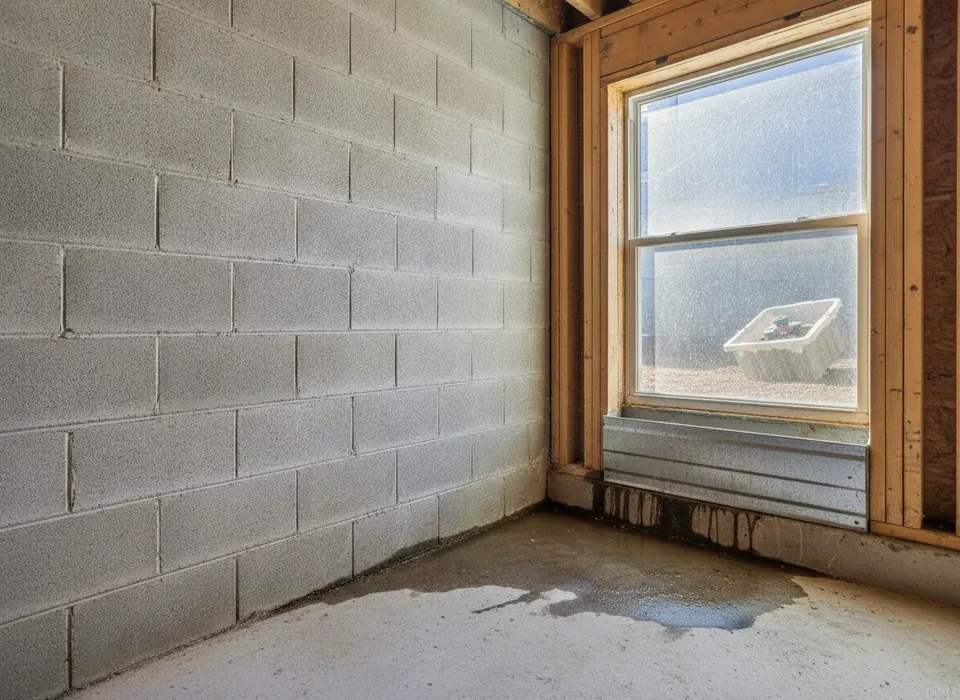
Window wells are one of the most common ways water gets into a Utah Valley basement. Most homes here have basements, many of them finished, according to local realtors, and finished basements have bedroom windows set below ground in metal or plastic wells. When a well fills faster than it drains, water rises against the glass and finds its way in around the frame, or through the window itself.
It happens. In the August 2024 storm, a surge of water "crashed through" a basement window into an Orem family's recently refinished basement, according to KUTV. During the same storms, basements in Eagle Mountain reportedly flooded through window and door seals. This guide covers why window wells flood, how to fix the common causes, and what to do if water is already coming in.
Water coming in right now?
- Stay out of water near outlets and cords; cut basement power at the panel only if it's dry where you stand.
- If it's safe outside, scoop or pump water out of the well to drop the level below the window.
- Move belongings off the floor and away from the wall.
- Take photos of the full well and the water inside before cleanup.
- Get extraction started quickly; finished basements soak up water fast.
Why window wells flood
A window well is supposed to catch a little rain and let it soak into gravel at the bottom or flow into a drain. It floods when more water arrives than can leave. The usual reasons:
- A clogged or missing drain. Leaves, dirt and fine silt fill the gravel and block any drain pipe, so water can't get away. Some wells were built with no drain at all.
- Grading that slopes toward the house. Soil settles around new foundations, especially in the first years after construction. Rain from the yard then runs straight into the well.
- Downspouts dumping nearby. A downspout that discharges near a window well can fill it in a single storm.
- Sprinklers. Heads that spray into the well or soak the soil beside it add water every day all summer. A leaking sprinkler line next to the foundation can push water into the well, or through the wall beside it.
- Snow. Snow shoveled or blown into an uncovered well melts against the window during a warm spell.
- A gap between the well and the foundation. If the well liner pulls away from the wall, soil and water wash in behind it.
- Intense summer storms. Utah Valley cloudbursts can drop more water than any well drains. In the 2024 storm, Orem's Public Works Director said the rain "probably exceeded a 100-year event," per the Daily Herald.
How to stop a window well from flooding
1. Clean out the bottom of the well
Once or twice a year, pull out leaves and debris. If the gravel is packed with dirt, scoop out the top few inches and replace it with clean gravel. If there's a drain grate, clear it and run a hose into it to confirm water flows away. If water sits, the drain may be clogged further down, and a plumber or drainage contractor can snake or camera it.
2. Keep the gravel level well below the window
The bottom of the window should sit several inches above the gravel. If the gravel is built up close to the sill, even a modest rain puts water against the frame.
3. Fix the grading and downspouts
The ground should slope away from the house on every side. Add soil around the foundation where it has settled, and pack it so it doesn't wash out. Extend downspouts several feet from the house, and make sure none empty near a window well. Lehi's city flood guidance advises homeowners to keep water away from window wells, and grading is the main way to do it.
4. Adjust the sprinklers
Turn or replace heads that spray into the well or soak the foundation. Look for soggy soil or water bubbling up near the house, which can mean a leaking line. In Orem, sprinklers run on culinary water; in pressurized irrigation cities such as Lindon and Saratoga Springs, the owner is generally responsible for leaks past the stop-and-waste valve or meter. See sprinkler and secondary water leaks.
5. Add a window well cover
A clear, sloped cover keeps out rain, snow and debris while still letting light in. If the window is in a bedroom, it's probably an emergency exit, so choose a cover that can be pushed open easily from inside. Don't bolt it down.
6. Check the window and the liner
Look for cracked caulk around the window frame, failed seals and gaps where the well meets the foundation. Recaulk the frame and reattach or reseal a loose well liner. If water comes through the foundation wall under the window rather than through the window, the problem may be groundwater or a foundation crack, and a waterproofing contractor should look at it.
What to do after a window well floods
Water from a window well usually lands on a finished floor and soaks into carpet, pad and the bottom of the drywall on that wall. It needs to be extracted and dried quickly, because wet drywall and carpet pad can start to support mold within roughly 24 to 48 hours. A restoration company will measure how far the water spread, extract it, remove pad and wet drywall that can't be saved, and run drying equipment until the readings are dry. Our checklist on what to do when your basement floods covers the first hour step by step, and the flooded basement cleanup page explains the process in more detail.
In homes built before 1980, ask whether an asbestos test is needed before wet drywall is removed. And for repair work, ask for the contractor's license number and check it on the Utah DOPL license lookup at dopl.utah.gov.
Is window well flooding covered by insurance?
Sometimes. Insurers don't all treat it the same way. Rain that collects outside and flows into the house is often treated as surface water, which standard homeowners policies typically exclude. Some insurers look at whether a window failed or a drain was blocked. A leaking sprinkler line may be handled differently again. Ask your insurer how it classifies window well water, and read does homeowners insurance cover a flooded basement in Utah for the broader picture.
Costs depend on the size of the wet area and what has to be removed; see the water damage restoration cost guide for typical ranges. Orem Water Damage Pros connects you with independent, locally licensed restoration companies in Orem and Utah Valley. Request free quotes or call (385) 346-0996.
Frequently asked questions
Why does my window well fill with water?
Usually because water arrives faster than it can drain. Common causes are a clogged or missing drain, gravel packed with dirt, soil that slopes toward the house, a nearby downspout, sprinklers spraying into the well, or snow melting inside it. Intense summer storms can overwhelm even a well that drains properly.
Should window wells have a drain?
Ideally, yes. Many wells drain through gravel into the soil or into a pipe tied to a drain system. If yours has no drain and fills during storms, keep the gravel clean, fix grading and downspouts, add a cover, and ask a drainage or waterproofing contractor whether a drain can be added.
Are window well covers a good idea in Utah?
A clear, sloped cover keeps rain, snow and debris out of the well, which helps a lot in Utah winters and summer storms. If the window is in a bedroom, it is likely an emergency exit, so use a cover that can be pushed open easily from inside, and don't fasten it shut.
Does homeowners insurance cover window well flooding?
It varies. Rain that collects outside and flows in is often treated as surface water, which standard policies typically exclude, while some insurers consider whether a window or drain failed. Ask your insurer how it classifies window well water before you need to, and check your policy.